


Día de los Muertos Films Find New Global Audience
- Cynthia Rodriguez
- Oct 18, 2025
- 3 min read
Latino spirituality travels worldwide as streamers curate festive collections.
Once a regional tradition rooted in Mexico and the Latin American diaspora, the cinema of Día de los Muertos is now being spoken around the world. Platforms from Disney + to TUBI are promoting films that honour memory, ancestors, and joy after loss—and they’re finding audiences far beyond the Spanish-speaking world.
A Festival of Memory on Screen
For years, Día de los Muertos movies were niche: locally made features, folkloric animations, or family-holiday specials inside the Latino market. But 2025 has changed that.

Consider Coco (2017): from the makers of Pixar, it brought narration of family remembrance and the Land of the Dead to a global audience, backed by cultural-consultant research and international box-office success.
Then there’s La Llorona (2019): a Guatemalan horror-myth film that blends the legend of the weeping woman with real political history and found streaming pickup on major services.

Now, in the lead-up to November 2, many streamers are curating “Día de los Muertos” collections—highlighting titles that draw from altars, marigolds, calacas, and the living-dead rituals of Latin America. From Mexico to Spain, Brazil to the U.S., the story is the same: heritage sells, and it connects.
What’s driving this shift? A few converging trends:
Streamers seeking seasonal events beyond Halloween and Christmas are embracing Día de los Muertos as a unique calendar moment. For example, Disney’s promotion of Coco and related content around October-November highlights the holiday’s cross-cultural pull.
Latino-heritage marketing is no longer “just for Latinos.” Social-media campaigns, influencer tie-ins, and fan-translations have lifted visibility of films rooted in Día de los Muertos beyond their original markets.
The global appetite for memory-heritage storytelling is strong: the focus on ancestors, loss, and celebration resonates widely—even in cultures unfamiliar with Mexico’s Oaxaca altars.
Authenticity Matters
But the key to success isn’t just sugar skulls and marigolds—it’s authenticity. Studios and creators are increasingly hiring cultural consultants, working with local filmmakers, and ensuring that altars, ofrendas, and rituals aren’t reduced to décor. Coco’s directors, for instance, made multiple trips to Mexico and built an all-Latino cast for authenticity.
In horror-folklore territory, the story of La Llorona is being re-imagined by Latin American directors as more than just a scary tale—it's about colonial trauma, family memory, and identity. These versions give the holiday a depth the global market is craving.
Beyond Mexico — Diaspora and Education
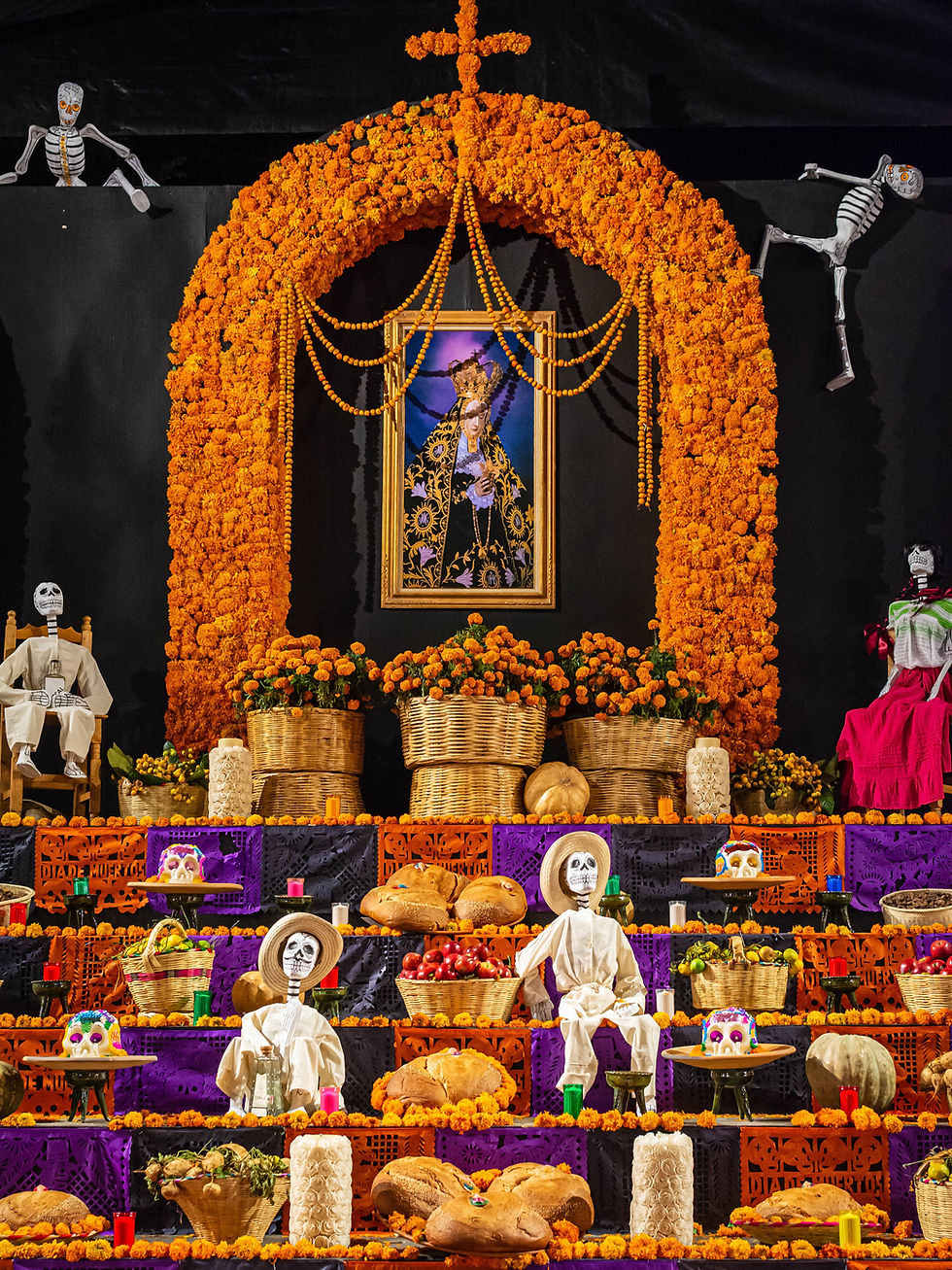
And it’s not only Mexico. Films and short titles from Puerto Rico, Colombia, the Dominican Republic and even non-Latino markets are exploring the holiday’s themes: remembrance, loss, return. Educational partnerships—schools in Latin America hosting film screenings, streaming platforms offering classroom toolkits—are turning these films into cultural teaching moments.
Merchandising and tie-ins follow, too: skeleton marigold artwork, Día de los Muertos-themed snacks and digital filters. What used to be pop-culture appropriation is now institutionalised cultural-commerce—with creators increasingly benefitting.

Looking Ahead: Joy After Loss
The holiday’s duality—celebration of death and life—is part of why these stories travel. They reject the horror-trap of “fear death” and instead embrace “remember life.” That tone of joyous remembrance is distinct from typical horror or family-entertainment tropes.
For filmmakers, it means the horror genre can be cultural, mythic, and global. For audiences, it means more than spooky nights—it means shared memory and heritage. This isn’t just a seasonal pivot—it’s a re-framing of how cinema honours ancestors and invites us all to join.


Comments