


Film Review: The Veteran (9/10)

Watching Jose reclaim his sense of self is both heartbreaking and ultimately up-lifting.
One act of kindness can change the world, yet society so often forgets the human beings who sacrificed everything to protect it. The Veteran is a deeply moving independent drama written, directed, and produced by Wilfred La Salle with remarkable clarity of purpose. It follows Jose Torres, a Marine whose combat experiences and personal losses make it increasingly difficult to rebuild his life after returning home. The talented cast includes Yanko Valentin-Perez as Jose Torres, Lancelot E. Theobald Jr. as Maxwell Cade, Morris Napolitano, and Michael DeSimone. While the title may sound familiar, the story surprises viewers with its intimate look at survival, loss, and the quiet power of human compassion.
Furthermore, the film arrives without the bloated marketing budgets of major studio releases, relying entirely on emotional honesty to win over its audience. La Salle refuses to sensationalize the harsh realities of post-service isolation, choosing instead to honor his characters through patient observation. This dedication to authentic human struggle immediately sets the tone for a narrative that prioritizes truth over spectacle. Viewers are invited into a world where every small gesture carries immense weight.
Ultimately, this opening act establishes a fragile emotional landscape that demands our complete attention from the very first frame. The film treats its subject matter with a reverence that is increasingly rare in contemporary cinema. It reminds us that behind every statistic on veteran homelessness lies an individual life full of unfulfilled potential. This opening foundation prepares us for a deeply reflective journey.

STORY (2/2)
The film tells a contemporary story about a soldier trying to make his way through life after enduring the unimaginable horrors of war. It explores trauma, loss, addiction, homelessness, and the severe administrative challenges veterans face when they return to civilian life. Starting with Jose’s service in Iraq in 2001 and then transitioning to his life on the streets creates an immediate contrast and a profound sense of urgency. We are forced to confront the tragic reality of what happens when someone who served their country is left entirely without institutional support.
What makes the story stand out is the way it raises difficult questions without feeling like it is simply lecturing the audience. It asks whether the systems built to support veterans are truly working, and what true success means: personal survival, rebuilding a shattered family, or both. The film moves at a deliberate, unhurried pace, allowing its characters’ experiences and evolving relationships to unfold naturally. That slower approach may test the patience of viewers looking for a fast-paced thriller, but it gives the emotional beats plenty of room to land.
The narrative structure emphasizes the cyclical nature of trauma, showing how past battlefields bleed into present-day survival on cold city pavements. Every interaction Jose experiences highlights the quiet indignities forced upon those who fall through the cracks of society. Rather than offering easy answers, the script trusts the audience to sit with the discomfort of these systemic failures. This narrative bravery transforms a standard social issue film into a resonant human tragedy.
VISUALS (1.5/2)
The real locations help make Jose’s circumstances feel immediate, grounded, and undeniably authentic to urban life. Seeing him move through recognizable city spaces while experiencing homelessness creates a powerful visual contrast between the bustling public world and his private internal struggle. The setting adds narrative urgency without needing to artificially exaggerate the hardships he is going through. Every dusty street corner and dim interior reflects the emotional erosion of the protagonist.
The film carries the rough, personal feeling of genuine independent filmmaking, and that unpolished quality suits its direct approach to a difficult subject. Some viewers may initially notice the modest production limitations, but the story’s unyielding sincerity matters far more than a glossy aesthetic. The practical locations help the film feel tethered to real life, which makes its social questions much harder to ignore. Natural lighting choices further emphasize the bleakness of Jose's isolation.

Director La Salle frames his actors with an intimacy that avoids voyeurism, keeping our focus squarely on their expressive faces and body language. The camera lingers on quiet moments of reflection rather than rushing away to the next plot point. This visual restraint mirrors the emotional exhaustion of someone struggling just to make it through another day. It is an impressive display of resourcefulness that proves great imagery comes from intent rather than budget size.
SOUND (1.5/2)
The musical score is fairly minimal and does not offer a wide variety of orchestral themes, but it never takes away from the power of the story. The film’s emotional weight comes entirely from the characters and the trying situations they face, rather than from a manipulative score telling the audience how to feel. This quiet sonic landscape allows the natural cadence of dialogue and ambient noise to take center stage. Silence becomes a powerful tool in conveying deep loneliness.
There are no jarring audio mismatches or distracting sound effects to pull the viewer out of the dramatic immersion. The restrained music fits the film’s serious tone gracefully, even if a more memorable melodic motif might have added another layer to select sequences. Background noises like distant traffic and muffled sirens create an authentic soundscape of urban indifference. Every auditory choice supports the overarching theme of isolation.
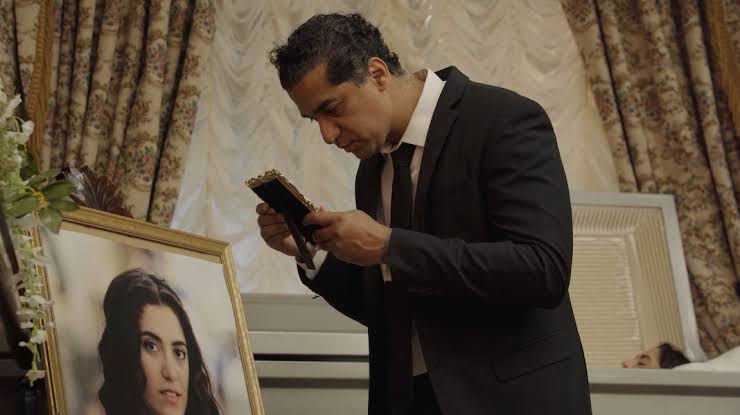
The sound design effectively contrasts the chaotic memories of past conflict with the hollow quiet of civilian abandonment. Dialogue is mixed with clarity, ensuring that every quiet confession and guarded conversation registers with maximum emotional impact. The absence of wall-to-wall instrumentation honors the dignity of the characters by letting their pain speak for itself. It remains an understated and effective sonic approach.
CHARACTER (2/2)
Yanko Valentin-Perez gives Jose a commanding, deeply vulnerable presence that keeps us fully invested in what happens to him from scene to scene. We care about him, worry for him, and desperately want him to find a way forward through the darkness. His performance often feels like he is listening intently to understand rather than just waiting for his turn to speak, which makes his interactions remarkably sincere. This internalized performance grounds the entire cinematic experiment in raw humanity.
The relationship between Jose and Maxwell becomes the film’s undeniable emotional center and anchor. Their different life circumstances create a meaningful connection, and the committed performances help make that bond feel entirely believable. The supporting cast works harmoniously to support the story’s central thesis: sometimes one person’s act of kindness can change the entire direction of someone else’s life. Every shared glance between them communicates volumes about grace and redemption.
These characters are written with flaws, complexities, and quiet resilience that refuse to reduce them to simple narrative archetypes. Maxwell is not a saint, and Jose is not a hopeless case, making their growing friendship feel hard-earned and authentic. Their conversations reveal the healing power of being truly seen by another human being after years of invisibility. Through these performances, the film achieves a profound emotional resonance.

FACTOR X (2/2)
This film was an absolute surprise because it completely subverted expectations built upon its modest presentation. What began as an unassuming title opened up into a tender, intense story that forces us to reevaluate how society treats veterans once their active service is over. We are quick to praise soldiers while they are deployed overseas, but the film asks whether we continue caring for them when they come home and desperately need help. That inquiry lingers long after the credits roll.
That social question is especially meaningful because the story handles advocacy organically through the characters' daily lives rather than throwing a political message in our faces. It touches upon a sensitive subject that impacts countless families who have loved ones in the armed forces. For me, the film’s unique mix of hardship, compassion, and the fragile possibility of human connection made it unforgettable. It proves that independent cinema can tackle grand ethical dilemmas with grace.
The narrative leaves viewers with a renewed appreciation for the unseen struggles happening all around us in our local communities. It challenges our collective indifference and encourages us to look closer at our neighbors who carry invisible wounds. That ability to inspire empathy is the rarest and most valuable quality an independent film can possess. It elevates the entire production into something truly special.
Overall, The Veteran is a moving independent drama that handles the difficult transition from military service to civilian life with dignity. Its strongest elements are Valentin-Perez’s committed performance, the believable relationship between Jose and Maxwell, and its thoughtful questions about veteran support and compassion. The minimal music and rougher independent style will not appeal to everyone, but they never detract from the core emotional impact. I strongly recommend it to viewers who appreciate character-driven dramas exploring real social issues with genuine care. As of current availability, the film can be found streaming on Dropbox.
The journey of watching Jose reclaim his sense of self is both heartbreaking and ultimately uplifting. Wilfred La Salle has crafted a humble cinematic statement that deserves a wide and attentive audience. Support independent voices that dare to tell stories of genuine human struggle and healing. You will not regret giving this hidden gem your time.
FINAL SCORE: 9/10
Where to Watch: Tubi

Help Us Keep The Lights On By Supporting Our Partners:

*This post contains affiliate links, and we may receive a commission if you make a purchase.


Comments