


Film Review: Resident Evil (8/10)

This is how a video game adaptation should be done. Put me in the world that the game has built, but show me the parts the game didn’t.
Translating interactive media onto the big screen usually results in an exhausting exercise of empty fan service and hollow CGI noise. Resident Evil completely shatters that curse by stripping away the bloated action-hero armor of past cinematic iterations and returning to pure, suffocating survival horror. Director Zach Cregger understands that true terror lives in the quiet, oppressive spaces between major events. Instead of aggressively retelling the exact same hero arcs we have played a dozen times, this film carves out its own brutal path in the shadows. It is a stunning course correction for a franchise that spent years wandering aimlessly in the Hollywood wilderness.
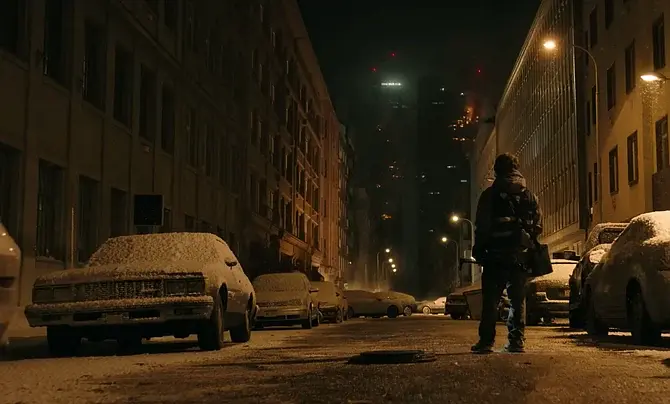
From the opening frames, the production establishes an immersive, teeth-grinding atmosphere that treats the source material with genuine respect rather than treating it like a joke. Cregger constructs a world where every single shadow feels malevolent and every locked door carries life-or-death consequences. You can feel the distinct DNA of classic survival horror mechanics pulsing underneath the cinematic framing without ever feeling like you are simply watching someone else play a video game. It is a masterclass in tension building that hooks you by the throat and refuses to let go.
This grim descent into the Colorado mountains proves that blockbuster horror can still possess an authentic, independent-spirited bite. It honors the foundational fears that made the games iconic while offering a fresh, unpredictable nightmare for both die-hard fans and casual moviegoers. When the credits finally roll, you are left breathless and deeply unsettled. This is how you resurrect a dormant giant.
STORY (2/2)
The narrative accomplishes something remarkably clever by shifting the perspective away from the franchise's legendary headliners. Following a medical courier unwittingly caught in the early hours of the outbreak gives the audience a vulnerable, ground-level window into the apocalypse. This story feels like it sits just a few hours before Leon and Claire arrive in Raccoon City, capturing that terrifying precipice where normal civilian life collapses entirely into chaos. Every narrative beat emphasizes isolation, desperation, and the brutal reality of a town eating itself alive.
Furthermore, the script avoids the trap of constant exposition dumps, letting the horrific reality of the T-virus unfold organically through environmental storytelling and frantic survival. The pacing is relentless, plunging our protagonist deeper and deeper into escalating layers of biological absurdity without ever sacrificing narrative logic. It is rare we can get a one-to-one adaptation that could work so seamlessly in a cinematic format while honoring the pacing of a classic campaign. The plot moves with a frantic, inescapable momentum.
The framing of the outbreak as an invisible, creeping tide rather than an instant worldwide event makes the horror feel intimate and profoundly claustrophobic. Characters do not make magically heroic choices; they panic, they bleed, and they make tragic mistakes under unimaginable pressure. That raw humanity grounds the sci-fi mutations in genuine emotional stakes. It is a brilliantly constructed script that respects the intelligence of the viewer.

VISUALS (2/2)
Visually, the film is an absolute triumph of mood, texture, and practical-heavy creature design. Sony keeps proving they know how to ground digital effects within tangible, decaying physical spaces, and the cinematography captures every drop of sweat, grime, and gore with stunning clarity. From dimly lit, fog-choked mountain roads to blood-splattered hospital corridors, every single frame feels suffocatingly real. Knowing how much technical discipline goes into sustaining tension through lighting and camera movement, the visual execution here is flawless.
The creature designs are a grotesque, beautiful love letter to Capcom's nightmarish menagerie, avoiding the smooth, weightless CGI look that ruins modern horror. Practical gore effects blend seamlessly with digital augmentations to create truly disturbing mutations that linger in your mind long after the house lights come up. Color grading relies on sickly greens, deep indigos, and stark, blinding headlights to carve out shapes in the pitch black. It is a masterclass in atmospheric framing.
Every space feels lived-in, abandoned, and terrifyingly hostile, utilizing clever visual nods to inventory management and environmental puzzles without breaking cinematic immersion. The camera lingers on horrifying reveals just long enough to let the dread fully settle into your bones. There is an unmistakable artistry in how the visual language mimics the claustrophobia of fixed-camera angles without ever feeling artificial. It is a stunning visual achievement.

SOUND (1/2)
Aurally, the sound design functions as an invisible predator that preys directly on your nerves from start to finish. Knowing how much heavy lifting a clever foley pass and sound mix should do for survival horror, the audio department treats silence and ambient noise as primary weapons. The distant scraping of claws, the wet squelch of biological mutation, and the haunting mechanical groan of dying infrastructure keep you in a perpetual state of hyper-vigilance. Every audio cue is a potential jump scare or a warning of impending doom.
The musical score avoids generic orchestral bombast in favor of industrial hums, unsettling ambient drones, and sharp, dissonant stingers that spike your adrenaline. At the same time, subtle acoustic callbacks to classic safe-room themes provide momentary, bittersweet breaths of relief before plunging you back into the nightmare. The soundscape is layered, rich, and endlessly oppressive in the best way possible. Audio engineering anchors the entire cinematic illusion.
Dialogue mixing is crisp and frantic, capturing the panicked, ragged breath of characters pushed past their absolute breaking point. Ambient elements like howling mountain winds and pattering rain build a thick, inescapable atmosphere of rural decay. Every sonic choice reinforces the central theme of being completely cut off from civilization. It is a pitch-free, terrifying audio triumph.

CHARACTER (1/2)
The character work succeeds precisely because the people on screen are ordinary, fragile human beings rather than trained special-forces commandos. Austin Abrams delivers a harrowingly vulnerable lead performance as a regular guy completely unequipped for the biological nightmare swallowing his delivery route. You feel his absolute terror, his confusion, and his desperate survival instinct in every twitch and heavy breath. That everyday humanity makes the horrific stakes feel intensely personal.
Supporting roles populate this doomed town with brief, impactful flashes of denial, panic, and heartbreaking sacrifice as the outbreak shatters their reality. Because we see the town through the eyes of someone just trying to do a routine job, the tragedy of Raccoon City hits with maximum emotional impact. The antagonists are not mustache-twirling masterminds, but rather the mindless, infected victims of corporate greed. Every performance serves the overarching dread of the environment.
The absence of invulnerable action heroes forces the ensemble to rely on raw instinct and cooperation to navigate the escalating horrors. Their fleeting interactions crackle with genuine tension and despair as options rapidly evaporate. It is a stellar display of casting and direction that grounds high-concept sci-fi in relatable human frailty. You genuinely care about who makes it out of the dark.

FACTOR X (2/2)
This is how a video game adaptation should be done. Put me in the world that the game has built, but show me the parts the game didn’t. It’s very rare we can get a one-to-one adaptation that could work, yet Cregger manages to capture the exact psychological flavor of exploring a haunted mansion or a biohazard zone without ever feeling derivative. Seeing the ordinary, tragic buildup of the disaster right before the iconic S.T.A.R.S. teams and government agents step onto the board is a stroke of pure narrative genius.
That creative angle elevates the film from a well-crafted genre exercise into an essential companion piece for fans of the franchise's deep lore. It bridges the gap between interactive mechanics and cinematic storytelling with an effortless grace that Hollywood has struggled to achieve for decades. That emotional and conceptual resonance comes entirely from a place of deep respect for the source material. It leaves you walking out of the theater buzzing with excitement for where this timeline could lead next.
The film successfully redefines what we should expect from video game translations on the silver screen. It proves that atmospheric dedication and narrative bravery will always beat out superficial Easter eggs. That is the true power of a director with a distinct vision. It wakes up the gamer inside you.
Resident Evil is a magnificent survival horror triumph that resets the gold standard for video game adaptations with grit, style, and relentless tension. Its flawless technical execution, grounded performances, and brilliant narrative positioning make it an instant modern classic of the genre. Whether you have spent decades battling umbrella corporations or just love smart, terrifying cinema, this is mandatory viewing. It is a dark, gripping descent into the heart of madness.
The outbreak has finally been brought to life with the terrifying authenticity it always deserved. Sony and Zach Cregger have a massive horror hit on their hands that commands your attention on the biggest screen possible. Do yourself an enormous favor and experience this masterclass in isolation before the fog rolls in. You will leave the theater looking over your shoulder.
FINAL SCORE: 8/10
Where to Watch: Amazon Prime

Help Us Keep The Lights On By Supporting Our Partners:

*This post contains affiliate links, and we may receive a commission if you make a purchase.


Comments